
A Practical Guide to Protecting Your Windows Connection With a VPN
Windows computers are used for almost everything today. People work, study, shop, watch videos, manage finances, and communicate online from the same device. With so much activity taking place through an internet connection, privacy has become an important consideration for everyday users.
One practical way to add another layer of privacy is to use a Virtual Private Network. A VPN can encrypt network traffic and route it through a remote server, helping users keep their online activity more private.
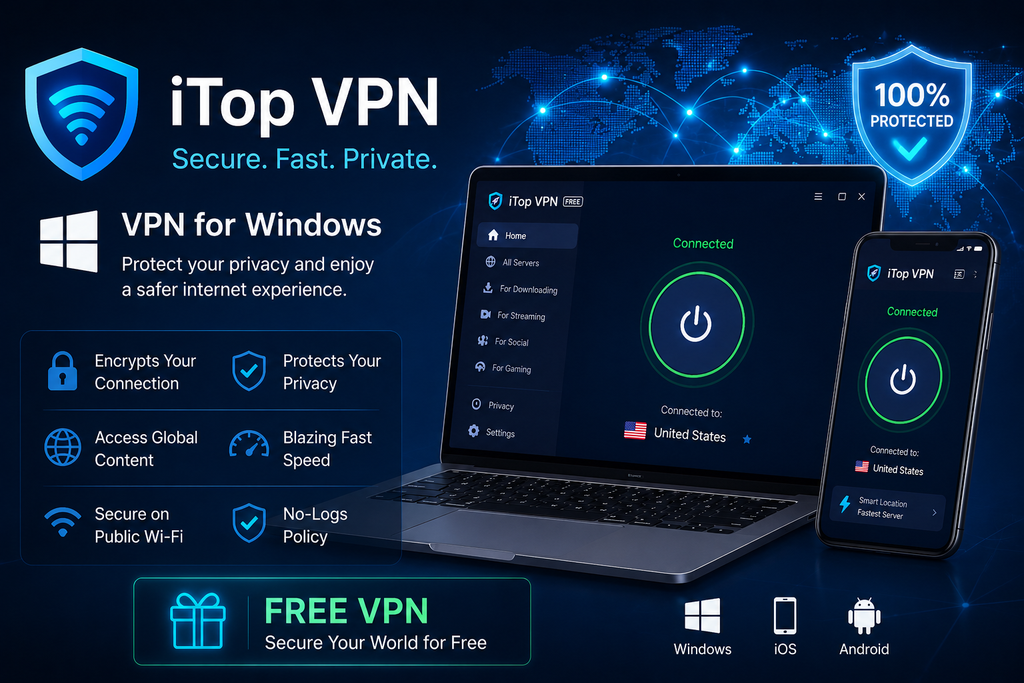
For Windows users who want a straightforward solution, iTop VPN offers a dedicated application designed to make VPN connections easier to manage.
How VPN Technology Works
When a computer connects directly to the internet, websites and online services can generally see information such as the device’s public IP address. A VPN changes the route used for the connection.
After a VPN connection is activated, internet traffic is sent through a VPN server before reaching its destination. The connection is encrypted between the device and the VPN server, while the websites being accessed generally see the VPN server’s IP address instead of the user’s original one.
This process can be useful for people who want greater privacy while using their Windows computer.
When Is a VPN Particularly Useful?
There are several everyday situations where using a VPN may be helpful.
Public Wi-Fi is one common example. Networks available at hotels, airports, restaurants, and other public locations may not provide the same level of security as a trusted private network. A VPN can add encryption to the connection, providing an additional layer of protection while using these networks.
Remote workers can also benefit from having a privacy-focused connection when working from different locations. Similarly, travelers may prefer using a VPN when connecting their laptops to unfamiliar networks.
Getting Started With iTop VPN on a Windows PC
Setting up a VPN application is generally straightforward. Here is a simple process Windows users can follow.
Download the Windows Version
Visit the official iTop VPN website and select the version designed for Windows. Downloading applications from the official website is preferable because it helps ensure that you are getting the legitimate software.
Complete the Installation
Open the downloaded installer and follow the on-screen instructions. The application will be installed on your computer just like other Windows programs.
Open the VPN Interface
Once installation is complete, launch the application. You can review the available connection options and select a server according to your requirements.
Establish a Connection
Choose a server and start the VPN connection. When the connection is active, your internet traffic is routed through the selected VPN server.
Continue Using Windows Normally
There is no need to change the way you use your computer. You can open your browser, work on documents, watch online content, or use other internet-connected applications as usual.
If you would like to test basic VPN functions before committing to a paid plan, you can also explore its VPN free offering to get hands‑on experience with core privacy features.
Things to Consider Before Choosing a VPN
Not every VPN service provides the same experience. Before selecting one, users should consider several factors.
Connection speed is important because VPN encryption and server distance can sometimes affect browsing performance. Server availability is another consideration, particularly for people who frequently travel or need connections in different regions.
Privacy policies also deserve attention. Users should understand what information a VPN provider collects, how that information is handled, and what features are included with the service.
Finally, the application should be easy to use. A complicated interface can make even a useful privacy tool frustrating for beginners.
Can You Start Without Paying?
For people who want to become familiar with VPN technology before committing to a subscription, trying a VPN free version can be a convenient option.
Free services can be useful for basic experimentation, but users should check the available features and limitations before relying on one for regular use. Factors such as server choices, connection limits, speeds, and privacy practices can vary between providers.
Making Online Privacy Part of Your Routine
A VPN should not be viewed as a complete replacement for other online security habits. Windows users should still keep their operating system updated, use strong and unique passwords, enable multi-factor authentication where available, and avoid downloading files from questionable sources.
Combining these habits with a VPN can create a more privacy-conscious approach to everyday internet use.
Final Takeaway
Using a VPN on Windows does not need to be complicated. Once you select and install an appropriate application, you can establish a protected connection with just a few steps.
For anyone interested in improving privacy while browsing, working, or using public networks, a VPN can be a practical addition to their digital routine. There are numerous reputable VPN services available on the market, each with different strengths and limitations. The key is to choose a reputable service that fits your personal needs, understand its features and privacy policy, and continue following good online security practices.