
What Is a Mobile Number Location Tracker and How Does It Work?
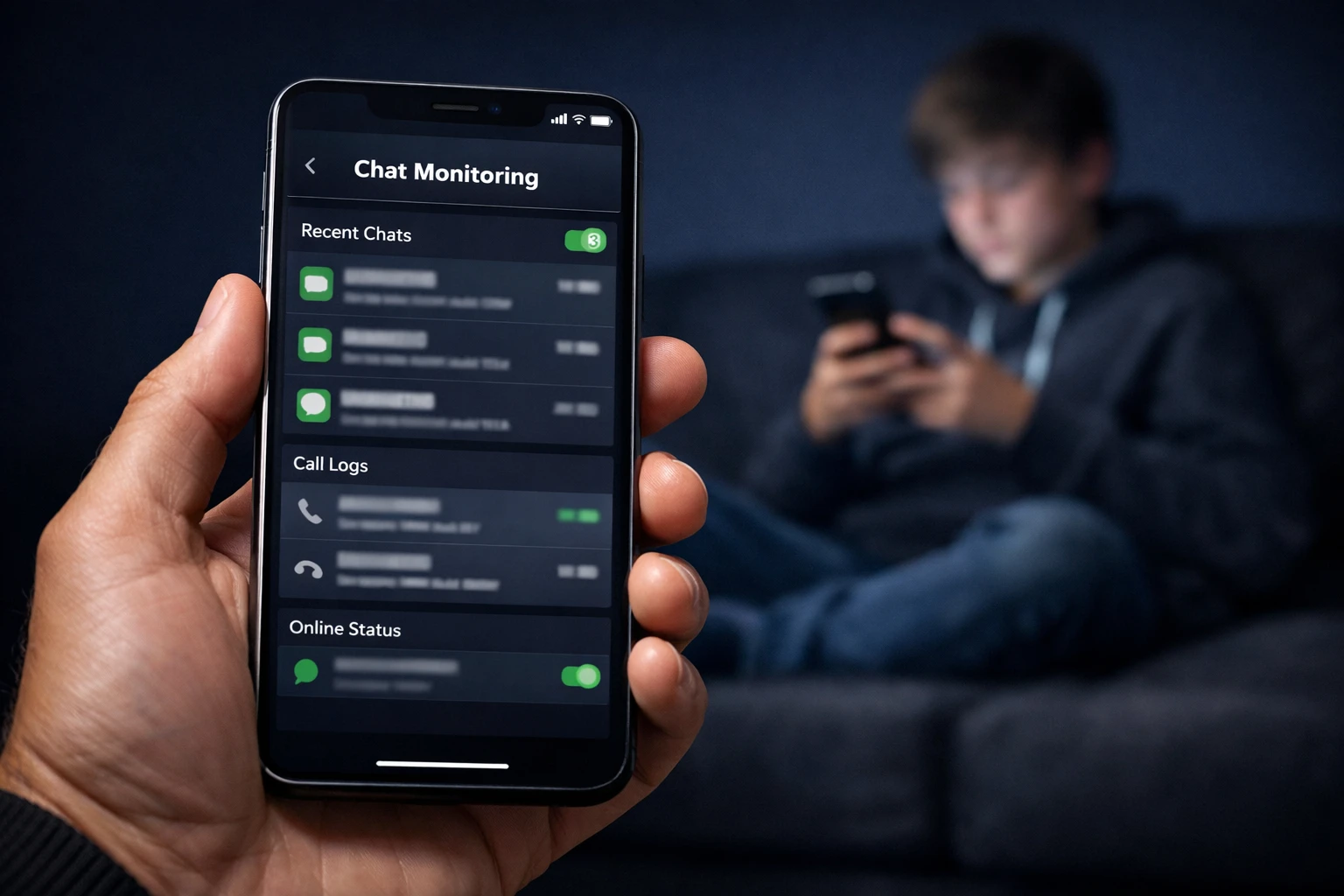
A mobile number location tracker is a type of technology or service designed to provide information about the location associated with a mobile device. People commonly search for these tools when learning about smartphone location technology, trying to understand how mobile networks work, or looking for legitimate ways to locate their own lost device. However, it is important to understand that a mobile number and a device location are not the same thing. A number identifies a mobile account, while location information generally comes from GPS, cellular networks, Wi-Fi, or authorized location services.
Modern smartphones use several technologies at the same time to determine where a device may be located. Depending on the situation, GPS can provide precise coordinates, cellular towers can help estimate a broader area, and Wi-Fi information can improve positioning indoors. A mobile number location tracker may therefore involve several technologies rather than simply searching a number in an online database.
What Is a Mobile Number Location Tracker?
A mobile number location tracker is generally described as a service that uses mobile-number-related information alongside other technologies to identify or estimate the location of a device. The exact functionality depends on the service, its data sources, device permissions, network availability, and whether the device is connected to an authorized tracking system.
It is important not to assume that every online tracker can reveal a phone’s exact live location. A phone number can identify an account or subscriber, but precise location is separate information. Legitimate location services normally depend on authorized device data, mobile-network information, GPS, Wi-Fi, or account-based location features. Understanding this distinction helps users set realistic expectations when researching mobile tracking technology.
How Does Mobile Number Location Tracking Work?
Mobile location tracking can involve several different technologies working together. When a smartphone is connected to a cellular network, it communicates with nearby towers. The device may also receive GPS signals and detect nearby Wi-Fi networks. Depending on the tracking system, information from these sources can be combined to calculate an estimated position.
The phone number may be used as an identifier, while the actual location comes from a separate data source. For example, an authorized device-finding service may connect an account or device identifier with its latest available location. This is very different from simply entering a random number into a website and receiving precise coordinates. The underlying technology and authorization determine what information can legitimately be provided.
How GPS Helps Locate a Mobile Phone
GPS is one of the most important technologies used by smartphones for location services. A device receives signals from multiple satellites and uses them to calculate its geographic coordinates. When satellite visibility is good, GPS can provide a relatively precise position, making it useful for navigation, mapping, emergency services, and authorized device-finding features.
GPS accuracy can vary depending on the environment. Tall buildings, underground parking areas, tunnels, dense vegetation, and indoor locations can interfere with satellite signals. Smartphones may therefore combine GPS with cellular and Wi-Fi information to improve the result. A location tracker should consequently be viewed as a system that may combine multiple data sources rather than relying on one signal at all times.
How Cell Towers Help Determine Location
Cellular networks provide another method of estimating where a mobile device may be located. A connected phone communicates with nearby cell towers as part of normal network operation. Information about these connections can sometimes help determine a general geographic area where the device is located.
The accuracy of tower-based positioning depends on network density and geography. In large cities, numerous towers may provide more useful positioning information, while rural areas may have towers that are much farther apart. Cellular positioning is therefore generally less precise than a strong GPS signal. It can still be useful for understanding approximate location, but it should not automatically be interpreted as an exact address.
What Role Does Wi-Fi Play in Mobile Location Tracking?
Wi-Fi can help smartphones improve their location estimates, particularly when GPS signals are weak. Modern devices may use information about nearby Wi-Fi networks as one component of their location calculations. This can be especially useful inside offices, shopping centers, airports, hotels, and other buildings where satellite signals may be limited.
Wi-Fi positioning is controlled by the device’s operating system and location permissions. It does not mean that an online service can freely access every Wi-Fi network around a phone. Instead, authorized location systems may use available network information as one part of a broader positioning process. Combining Wi-Fi with GPS and cellular information can sometimes produce a more useful location estimate.
Can a Mobile Number Reveal an Exact Location?
A mobile number alone normally cannot reveal a device’s exact GPS location. This is an important distinction because online searches can create the impression that a phone number works like a live location signal. In reality, a number primarily identifies a mobile account or communication endpoint.
Precise location generally requires additional information from the device, network, or an authorized location service. Official smartphone-finding systems can use account-linked location data when the relevant settings have been configured. Therefore, users should be cautious about websites claiming that any mobile number can instantly reveal an exact street address without legitimate access to location information.
Mobile Number Location Tracker vs GPS Tracker
Although these terms are sometimes used interchangeably, they describe different concepts. A mobile number is an identifier, while GPS is a positioning technology. A tracking service may use a number to identify a device or account, but it still needs another source of location information to determine where that device is.
A dedicated GPS tracker may continuously collect location coordinates from a device, while a number lookup service may only provide carrier or regional information. The difference is important when evaluating online tracking services. Users should look at the underlying technology instead of assuming that every product using the word “tracker” provides the same type of location information.
How Accurate Is Mobile Number Location Tracking?
Accuracy depends on the technology and data source being used. GPS can provide relatively precise positioning under suitable conditions, while cellular tower information may only identify a broader area. Wi-Fi can sometimes improve accuracy, especially in indoor environments where GPS signals are limited.
Other factors also influence results. Network coverage, device settings, battery-saving modes, location permissions, physical obstructions, and the age of the available location data can all make a difference. A responsible service should explain whether a result is a current GPS position, a network-based estimate, or a previous known location. This information is essential for interpreting tracking results correctly.
Why Location Results May Not Be Exact
No location technology is perfect in every environment. A smartphone inside a building may have limited GPS visibility, while a phone in a rural area may have fewer cellular towers available. A device with location services disabled may also provide less information to authorized applications.
Another issue is data freshness. A tracking platform may display the most recent location it received rather than the device’s current position. If the phone has lost its internet connection or has been switched off, the latest available location could be older than expected. Users should therefore pay attention to timestamps and accuracy indicators when interpreting location results.
Can You Track a Mobile Phone Without GPS?
Approximate mobile location can sometimes be estimated without relying entirely on GPS. Cellular networks can provide information based on nearby towers, while Wi-Fi positioning may contribute additional location data. These methods can be useful when satellite signals are unavailable or unreliable.
However, non-GPS tracking usually has different accuracy characteristics. A cellular estimate might cover a larger area, while Wi-Fi-based positioning can be more useful indoors. This means that tracking without GPS is possible in some situations, but it should not be confused with guaranteed precise live positioning. The available result depends on network infrastructure, device configuration, permissions, and the tracking system.
Mobile Number Location Tracking for Lost Phones
For a lost smartphone, an official device-finding service is generally the most appropriate option. Modern Android and iPhone ecosystems provide account-based tools that can help users locate, lock, or manage their own devices. These systems are specifically designed to work with the phone’s operating system and account.
A mobile number can help identify the relevant account or device, but knowing the number alone does not automatically provide its current location. If a device has been lost or stolen, users should also secure their accounts, contact their mobile carrier where appropriate, and consider changing important passwords. Protecting personal information is just as important as finding the device.
Privacy and Consent in Location Tracking
Location information is sensitive because it can reveal where someone lives, works, travels, or spends time. Responsible tracking should therefore be based on appropriate consent or lawful authorization. Tracking your own device is different from secretly monitoring another person’s movements.
Users should also review the privacy policies of tracking services before providing phone numbers or other personal information. Avoid services that request unnecessary credentials, verification codes, or sensitive data. A responsible tracking provider should explain what information it collects, why it needs it, and how that information is protected. Privacy should remain a central consideration when using any location technology.
Mobile Location Tracking and Device Permissions
Smartphone operating systems provide permission controls that determine which applications can access location information. Depending on the operating system, users may be able to allow location access all the time, only while an application is in use, or not at all. These controls can directly affect tracking functionality.
Device permissions are an important security feature because they prevent applications from automatically accessing sensitive information without authorization. Users should regularly review location permissions and remove access from applications that no longer need it. Tracking technology should work within these controls rather than attempting to bypass them. Understanding permissions also helps users know why a particular tracking service may not receive a current location.
Understanding Mobile Number Location Tracking With Spy Human
Spy Human is a brand associated with mobile tracking and monitoring technology. When evaluating any tracking platform, users should focus on its actual features, technology, permissions, privacy practices, and limitations rather than assuming that a phone number automatically provides exact location information.
A reliable approach is to understand how different location technologies work together. GPS, cellular networks, Wi-Fi, device settings, and connectivity can all influence the information available. Users should also consider whether the intended tracking activity is authorized and appropriate. Transparent information about capabilities and limitations is more useful than exaggerated claims about unlimited location access.
Is Mobile Number Location Tracking Legal?
The legality of mobile location tracking depends on the circumstances, purpose, consent, and laws that apply. Tracking your own device through an authorized service is different from secretly monitoring another person’s location. Privacy and data-protection rules can also vary between jurisdictions.
Individuals and organizations should understand the legal requirements that apply to their use case. Businesses using location technology may need clear policies and appropriate authorization, while individuals should respect consent and privacy. Responsible tracking means using legitimate technology for legitimate purposes without attempting to bypass security controls or obtain private information without authorization.
Common Myths About Mobile Number Location Trackers
One common myth is that every mobile number has a publicly available GPS location. In reality, a phone number is primarily an identifier, and exact device location requires access to additional data. Another misconception is that a tracker can always show an exact street address regardless of network conditions.
There is also confusion between number lookup and device tracking. A number lookup may identify a carrier or general region, while device tracking can use GPS or other location technologies. Understanding these differences helps users avoid unrealistic expectations and identify services that clearly explain what their technology can and cannot provide.
How to Evaluate a Mobile Number Location Tracker
Before using a mobile number location tracker, examine the service’s technical explanation, privacy policy, terms, and permission requirements. Find out whether it relies on GPS, cellular networks, Wi-Fi, number databases, or another source. Also determine whether the result is live, recently updated, or simply an approximate regional estimate.
Avoid services that promise guaranteed exact results without explaining how those results are generated. Location technology naturally has limitations, and a trustworthy provider should communicate them clearly. Users should also avoid entering passwords, verification codes, or other sensitive credentials into unfamiliar websites. Good tracking technology should prioritize transparency, security, and responsible use.
Frequently Asked Questions
What is a mobile number location tracker?
A mobile number location tracker is generally a service or technology that helps identify or estimate the location associated with a mobile device. The actual location information may come from GPS, cellular networks, Wi-Fi, or an authorized device-location system rather than the phone number itself.
Can a mobile number reveal someone’s exact location?
A mobile number alone normally does not provide public access to exact GPS coordinates. Precise location generally requires authorized device or network information. A number may identify an account or general region without revealing the phone’s current physical position.
How accurate is mobile number location tracking?
Accuracy varies depending on the technology used. GPS can provide relatively precise positioning under good conditions, while cellular tower-based positioning usually provides a broader estimate. Wi-Fi can sometimes improve accuracy, particularly indoors.
Can I track my lost phone with its mobile number?
A mobile number can help identify the account or device, but official device-finding services are generally better suited to locating a lost smartphone. They can use account-linked location data when the device and relevant location services have been configured properly.
Can a mobile phone be tracked without GPS?
Approximate location can sometimes be estimated through cellular networks or Wi-Fi positioning. These methods may be less precise than GPS, and their availability depends on network coverage, device settings, permissions, and other technical factors.
Why does a phone tracker show an approximate location?
Approximate results can occur because of weak GPS signals, limited cellular coverage, indoor environments, outdated location data, or other technical conditions. A tracker may also be showing the last known location rather than the current position.
Is mobile number location tracking legal?
The answer depends on the circumstances and applicable laws. Tracking your own device or using an authorized location-sharing system is different from secretly monitoring someone else’s movements. Consent and privacy should always be considered.
How can I improve location accuracy on my phone?
Keeping location services enabled, allowing appropriate permissions, maintaining network connectivity, and keeping the device software updated can help authorized location services work effectively. Environmental conditions can still affect accuracy even when all settings are configured correctly.
Conclusion
A mobile number location tracker is not simply a tool that converts a phone number into an exact GPS address. Modern mobile location technology combines different sources, including GPS, cellular networks, Wi-Fi, device permissions, and account-based services. The phone number can act as an identifier, while the actual location comes from authorized positioning information.
Understanding these differences is important when evaluating tracking services. GPS may provide precise positioning under good conditions, while cellular and Wi-Fi technologies can help estimate location when GPS is unavailable. Results can also be affected by network coverage, device settings, physical surroundings, connectivity, and the age of the available data.
For anyone researching mobile location tracking, the best approach is to focus on realistic capabilities, accuracy, privacy, and responsible use. A transparent service should explain how its technology works and what limitations users should expect rather than making unrealistic promises about exact location access.